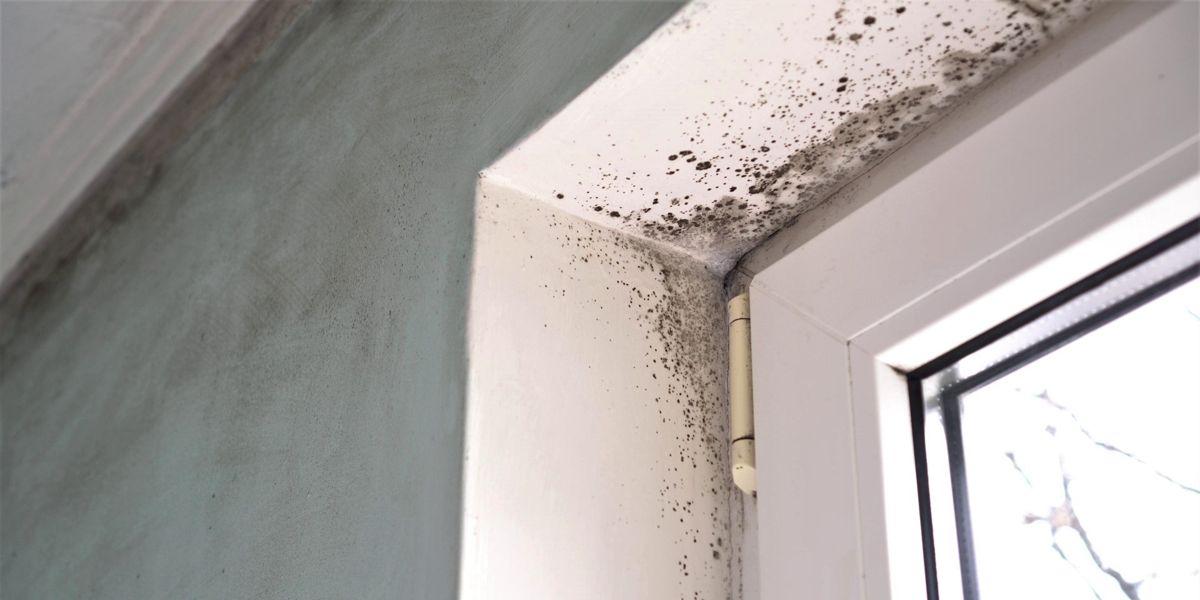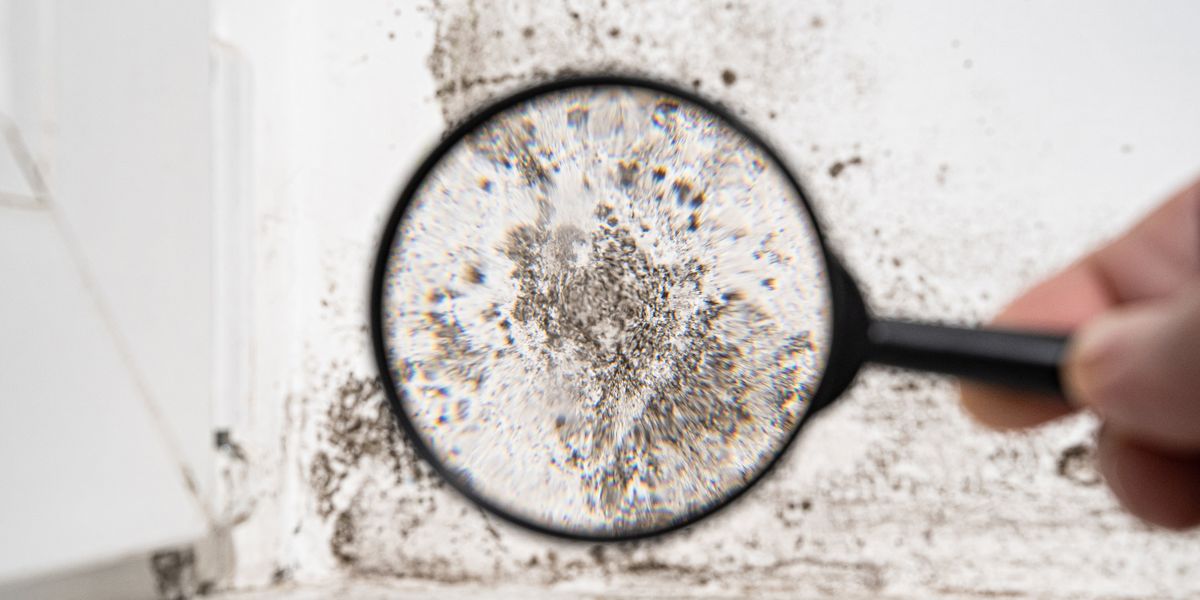
You’ve spotted dark patches on the bathroom ceiling or a fuzzy film around the window frame. The first question most people ask is whether it’s just mildew or something more serious. The second is whether it’s making anyone ill.
Here’s how to tell the two apart, what the health risks are, and what to do next.
What is mildew?
Mildew is a type of mould. The word is usually used for mould in its early stages, when it’s growing on the surface of something. It tends to look flat and powdery, and it’s often white, grey or pale yellow, though it can darken over time.
You’ll most often find it on shower curtains, tiles, window sills and fabrics. It’s common in bathrooms and kitchens, anywhere moisture hangs around after showers, cooking or drying washing indoors.
Because it sits on the surface, mildew is usually easier to clean off and less of a worry. It’s still a sign that moisture is building up in that spot.
What is black mould?
“Black mould” is the everyday name for dark green or black mould growth. It usually looks thicker and more patchy than mildew, often in spots or clusters that spread outwards. It can feel slimy or fuzzy and may come with a musty smell.
It tends to appear where moisture is persistent, such as:
Bedroom walls and ceiling corners, especially on external walls
Behind wardrobes and furniture pushed up against cold walls
Around window frames and reveals
Bathroom ceilings and sealant lines
Kitchens with poor ventilation
Unlike mildew, black mould often means a longer-running moisture problem. It can take hold in porous materials like plaster and wallpaper, which makes it harder to remove for good.
How to tell them apart
| Mildew | Black mould | |
| Colour | White, grey, pale yellow | Black or dark green |
| Texture | Flat, powdery | Fuzzy, slimy, patchy |
| Where it grows | Mostly on surfaces | Can spread into plaster and other porous materials |
| Typical spots | Tiles, shower curtains, window sills | Walls, ceiling corners, behind furniture |
| What it suggests | Surface moisture | Ongoing moisture or condensation |
Note: The colour alone isn’t a reliable test. Plenty of dark moulds aren’t harmful, and some light-coloured ones can still cause problems. A better guide is how much there is, how fast it returns after cleaning, and how long the moisture has been there.
Is it dangerous?
Any mould growth in a home is worth taking seriously. Living with damp and mould can affect your health, particularly if you’re exposed over a long period.
Possible effects include:
Coughing, wheezing and a tight chest
Irritated eyes, nose and throat
Skin irritation
Worsening of asthma and other respiratory conditions
Allergic reactions
Some people are more at risk than others, including babies and young children, older people, anyone with asthma or allergies, and people with a weakened immune system.
It’s worth saying that most mould in UK homes isn’t the rare, highly toxic kind you may have read about online. But you can’t identify the type just by looking at it, and the practical advice is the same either way: deal with the moisture and get rid of the growth rather than trying to work out how dangerous it is. If anyone in the home has health symptoms you think are linked to mould, speak to your GP.
What causes it?
In most UK homes, the culprit is condensation. Warm, moist air from showers, cooking, drying clothes and even breathing hits a cold surface and turns to water. If that moisture can’t escape, mould follows.
Less often, mould comes from a leak, penetrating damp or rising damp. If the problem keeps coming back in the same spot or is getting worse, it’s worth getting someone to look at the cause. You can read more about this in our guide to condensation issues.
What to do about it
For small patches (under about a square metre):
Wipe the area with a mould-removal product or a damp cloth and appropriate cleaner. Don’t brush or scrub it dry, as this can send spores into the air.
Dry the area thoroughly afterwards.
Wash or dispose of the cloths, and wear gloves and open a window while you work.
Fix what caused it, such as better ventilation, using extractor fans, keeping furniture away from cold walls and avoiding drying washing on radiators.
Call a specialist if:
The mould covers a large area or keeps coming back
It’s in several rooms
There’s a persistent musty smell with no visible source
Someone in the home has health problems that seem linked to it
You’re a landlord or work in social housing and need a compliant, documented solution
Cleaning treats what you can see. A proper survey finds out why it’s there, which is what stops it returning. Our team offers specialist black mould treatment and ventilation solutions to deal with both
A note for landlords and social housing providers
Damp and mould is now firmly on the compliance agenda for social landlords, with Awaab’s Law setting clear expectations around investigating and fixing hazards. If you manage properties, our guide to Awaab’s Law explains what it means in practice.
Need help with mould in your home?
If you’re not sure what you’re dealing with, or you’ve cleaned it and it keeps coming back, book a free survey and we’ll help you find the cause and a lasting fix.
Frequently Asked Questions
What is the difference between black mould and mildew?
Mildew usually appears as a flat, powdery or downy growth on surfaces, while black mould often looks darker, thicker and patchier. However, colour and appearance alone cannot reliably identify a mould type. Both indicate excess moisture and should be dealt with promptly.
Is black mould more dangerous than mildew?
Not necessarily. The health risks depend on factors such as the extent of mould growth, the length of exposure and a person's sensitivity. Both can trigger allergic reactions, irritate the airways and worsen asthma. The priority is to remove the mould safely and address the underlying moisture problem.
Can I remove black mould myself?
Small areas of mould may be manageable using an appropriate mould-removal product and following the manufacturer's instructions. Wear gloves, ventilate the area and avoid disturbing mould when dry. Larger areas, recurring growth or mould caused by an unresolved damp problem should be assessed by a specialist. Book a free survey to identify the cause of the mould and find a lasting solution.
Why does black mould keep coming back after cleaning?
Black mould often returns because the underlying moisture problem has not been resolved. Condensation, poor ventilation, leaks and penetrating damp can all contribute to recurring growth. Identifying the source of the moisture is essential for achieving a lasting solution.
Can black mould grow behind furniture or inside walls?
Yes, mould can develop behind wardrobes, sofas and other furniture placed against cold external walls. It can also grow on wallpaper, plaster and other materials affected by persistent moisture. A musty smell or recurring damp patches may indicate hidden mould that needs further investigation.
Can landlords be responsible for black mould in rental properties?
Landlords may have legal responsibilities to investigate and address damp and mould hazards, depending on the circumstances and applicable housing legislation. Awaab's Law introduced specific requirements for social landlords in England. Property managers should respond promptly to reports of damp and mould and ensure the underlying causes are addressed.
Locations
Domestic-Air provides expert mould removal and prevention services across Manchester, Liverpool, Leeds, Sheffield, Birmingham and Derbyshire. For homes and businesses, our team brings decades of experience to every job, ensuring effective protection against mould damage in all these areas.
Disclaimer: The information provided in this article is for general guidance only and should not be taken as professional advice or a substitute for a property specific assessment. Mould and damp issues can vary depending on the property and their underlying causes. Always follow the manufacturer's instructions when using mould removal products and take appropriate safety precautions.
Share this post: