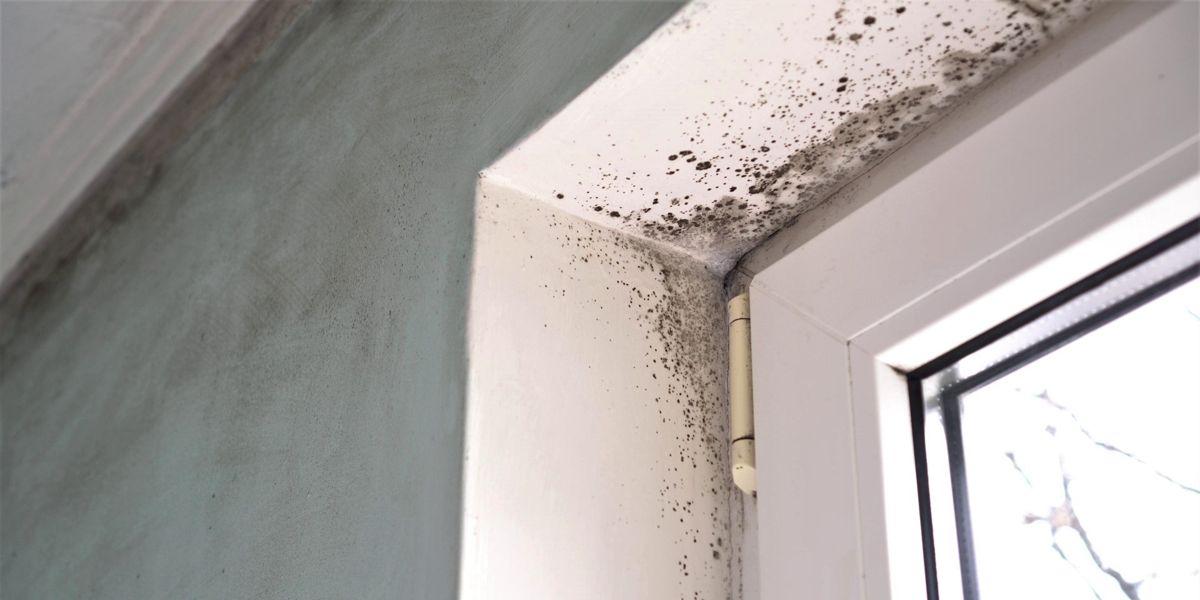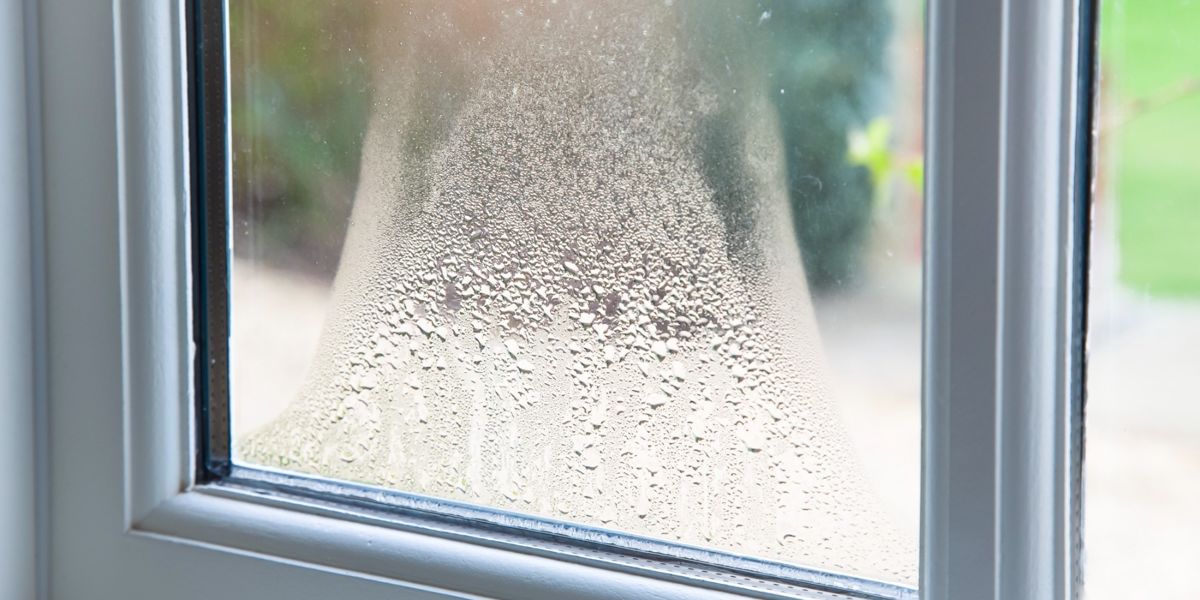
When condensation starts running down the windows, a dehumidifier is often the first thing people reach for. It’s affordable, you can buy one today, and it does pull water out of the air. But if the same damp patches and black mould keep coming back every winter, it’s worth asking whether you’re treating the cause or just the symptom.
For most homes with ongoing condensation, a positive input ventilation (PIV) unit is the better long-term fix. A dehumidifier still has its uses, though, so here is how the two compare and when each one makes sense.
Why does condensation happen in the first place?
Every home produces moisture. Cooking, showering, drying clothes indoors and even breathing all release water vapour into the air. When that warm, moist air meets a cold surface such as a window, an external wall or a ceiling corner, it cools and turns back into water. If the moisture has nowhere to go, it settles, and damp conditions are exactly what black mould needs to grow.
So the real question isn’t only how to remove water from the air. It’s how to stop moisture building up in the first place. That’s where these two options differ.
How a dehumidifier works
A dehumidifier draws in air from the room it’s sitting in, removes the moisture, and releases drier air back. The water collects in a tank that you empty, or drains away through a hose.
Where it helps:
Quick relief in one problem room
Drying washing indoors
Drying out a property after a leak or flood
Homes where a fixed ventilation system isn’t an option
Where it falls short:
It only treats the room it’s in, so moisture can build up elsewhere
Someone has to empty it, clean it and keep it running
It uses electricity for every hour it’s on
The moisture returns as soon as you switch it off, because nothing about how the home is ventilated has changed
How a PIV unit works
A PIV unit supplies a steady flow of filtered fresh air into the home, usually from the loft. This creates a gentle positive pressure that pushes humid indoor air out through the natural gaps in the building. Instead of pulling moisture out of one room, it keeps replacing the air throughout the whole house, so moisture doesn’t get the chance to settle on cold surfaces.
Where it helps:
Condensation across the whole house, not just one room
Homes with recurring black mould on walls, ceilings and window frames
Rented properties, where you can’t rely on residents to empty a machine every day
Reducing airborne particles such as pollen, because the incoming air is filtered
Where it falls short:
It needs professional installation, so there is an upfront cost
It isn’t suitable for every property, which is why a survey matters
It won’t dry out a flooded room quickly
Upkeep and day-to-day use
A dehumidifier needs regular attention. The tank has to be emptied, often daily in a damp home, and the filter needs cleaning. If the tank fills up, the machine switches itself off, which tends to happen when the problem is at its worst.
A PIV unit is designed to run quietly in the background with very little input from you. The upkeep is mostly an occasional filter check, and there is nothing to empty or switch on. That makes it a better fit for busy households and for rented properties, where you can’t count on someone looking after a portable machine.
Side by side
| PIV unit | Dehumidifier | |
| Covers | Whole house | One room |
| Tackles | The cause (stale, moist air) | The symptom (moisture in the air) |
| Upkeep | Low, occasional filter check | Daily emptying, regular cleaning |
| Best for | Ongoing condensation and mould | Short-term drying, specific problem rooms |
What about landlords?
For landlords, the case for ventilation is even stronger. Condensation and mould in rented homes can lead to tenant complaints and disrepair claims, and the rules around damp and mould in social housing are getting tighter. Relying on a tenant to run, empty and maintain a portable machine isn’t a dependable way to control moisture.
A fixed system that works continuously, without anyone having to remember it, is far easier to defend if a property is ever inspected or a complaint is raised.
Can you use both?
Yes, and sometimes it makes sense to. Some households run a dehumidifier alongside ventilation during the wettest weeks of the year, or to dry washing quickly. It can also help dry out a property in the short term while a longer-term fix is arranged. The point is not to depend on a dehumidifier alone when the real issue is poor ventilation.
So which should you choose?
If condensation returns every winter, a dehumidifier is likely to be a temporary fix. You’ll keep paying to run it, and the underlying problem stays put. A PIV unit deals with the way your home is ventilated, which is why it tends to give a lasting result.
Not sure what your home needs?
Every property is different. Our free survey looks at how your home is ventilated, where the moisture is coming from, and whether PIV, extractor fan upgrades or another fix makes the most sense. You’ll get straight advice on what will work, not a one-size-fits-all answer.
Share this post: