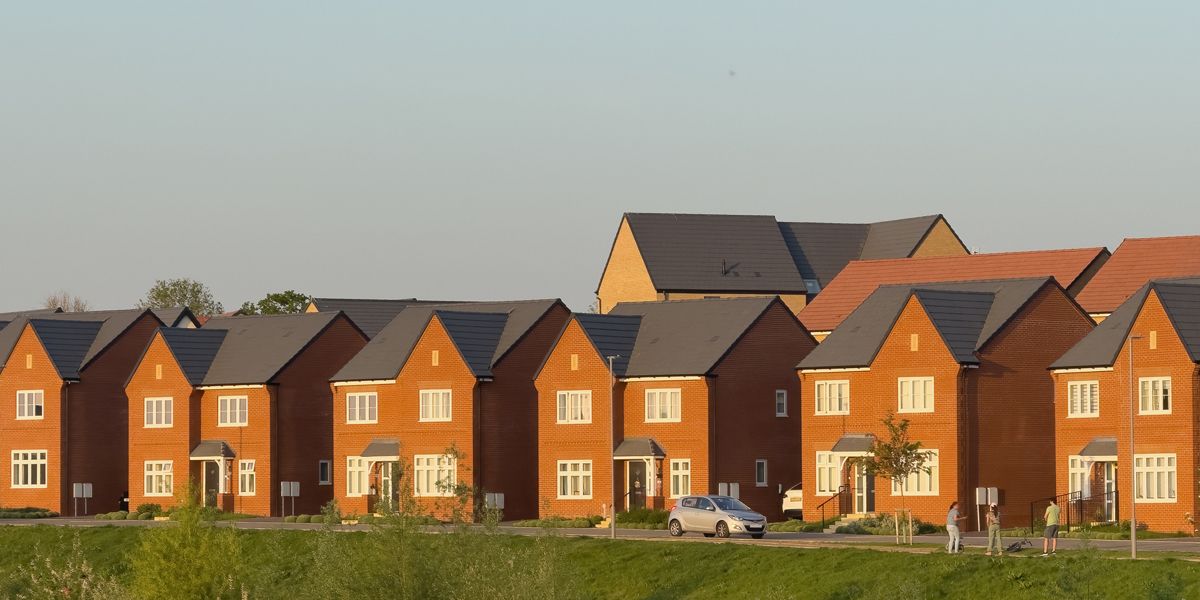
New build homes are designed to be energy efficient, warm and airtight. That is a good thing, but it also means fresh air does not move through the home as easily as it used to.
Because of this, ventilation is not something that “just happens” anymore. It has to be working properly from day one. When it is not, problems like condensation, damp smells, and stuffy rooms can show up quickly.
Here are the most common mistakes we see in new build homes.
Thinking The House Will “Breathe On Its Own”
Older homes still naturally allow air to move in and out through small gaps around windows, doors, floors and brickwork. This is often called natural leakage.
New build homes are built to reduce those gaps as much as possible.
That means:
Less natural airflow
More moisture staying inside
Greater reliance on designed ventilation systems
Without proper ventilation, everyday activities like cooking, showering, and even breathing add moisture to the air that cannot easily escape.
This can lead to:
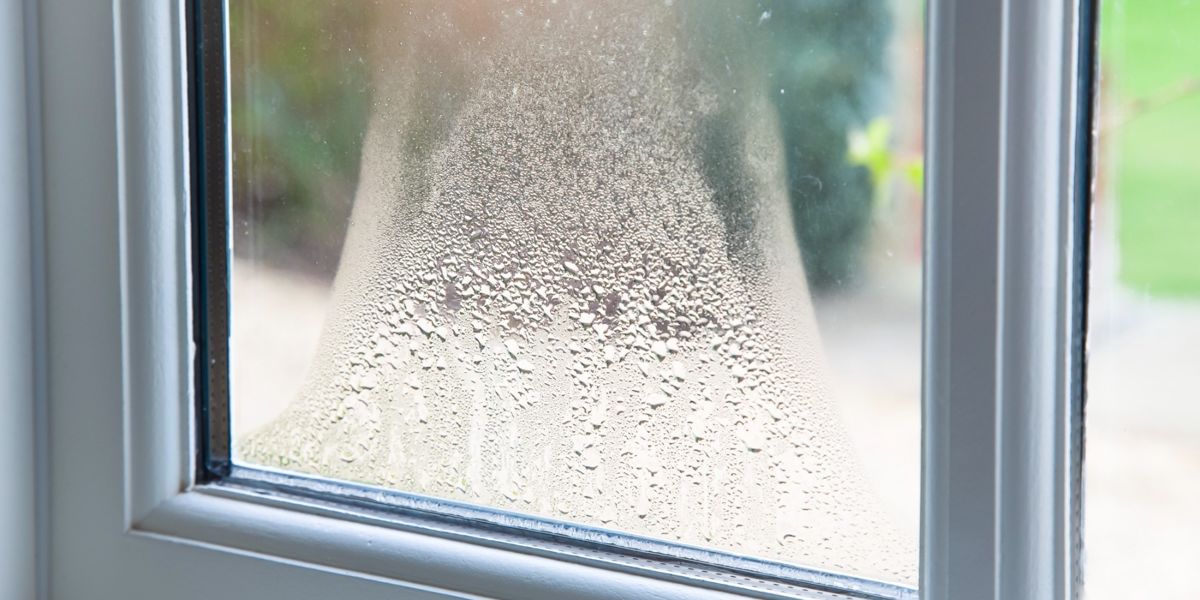
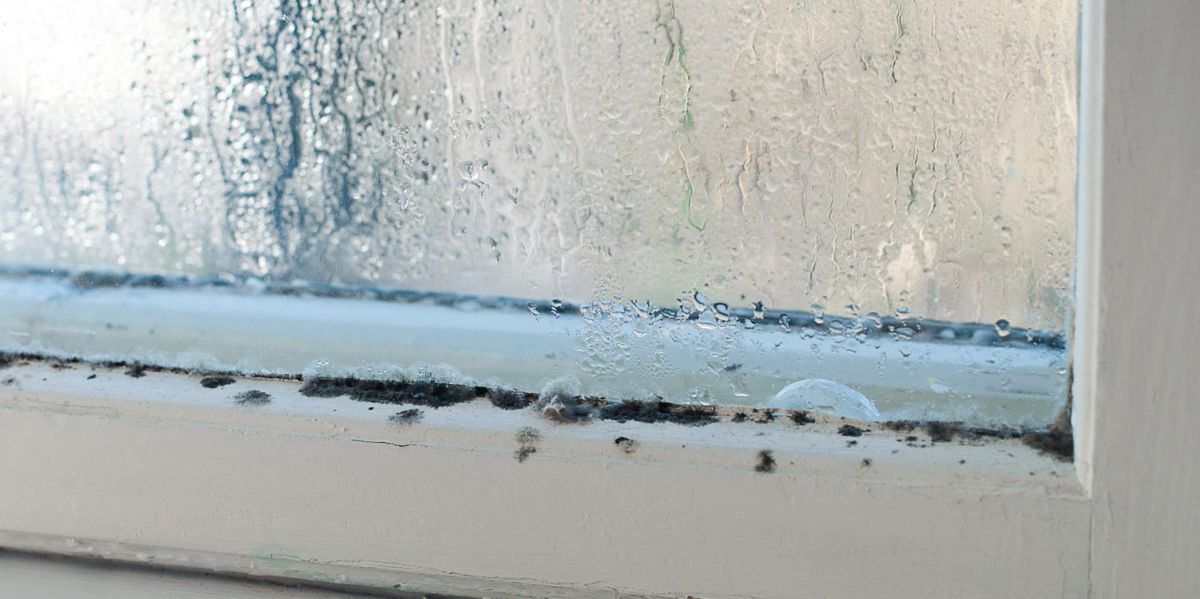
Condensation on windows
Damp or cold patches in rooms
Stuffy or heavy air
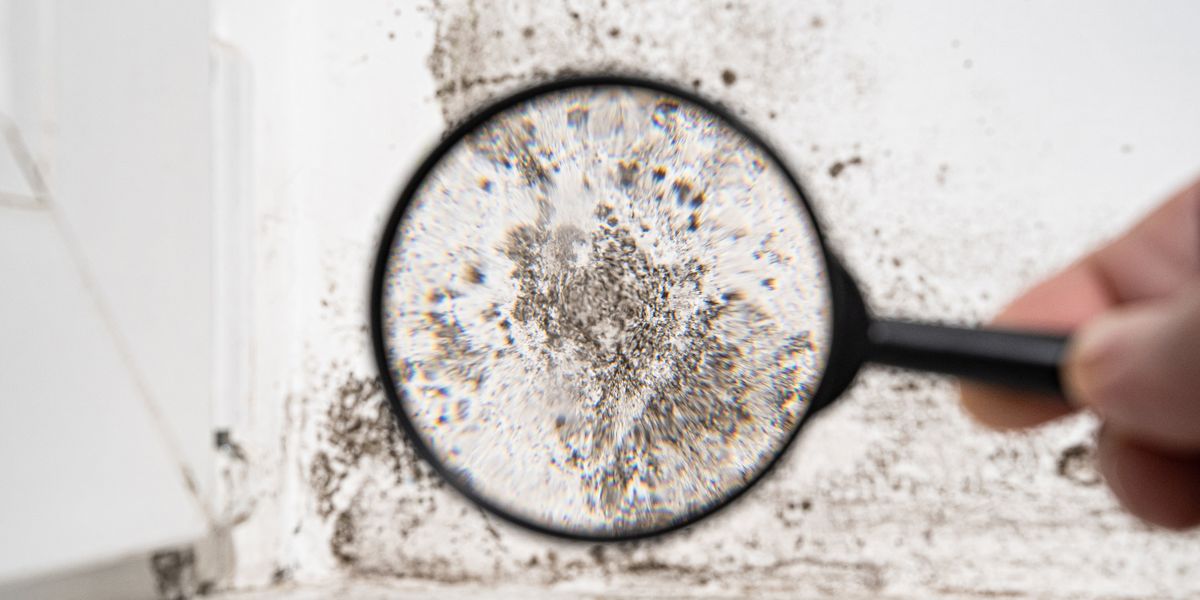
Mould forming in hidden areas
Modern homes need controlled airflow, not reliance on natural leakage.
Relying Only On Bathroom And Kitchen Fans
Most new build homes include extractor fans in kitchens and bathrooms. These are important, but they are not designed to ventilate the entire home.
Common issues include:
Fans not running for long enough
Noise leading people to switch them off
Moisture building up in other rooms
Uneven air quality across the home
Extractor fans should support ventilation, not act as the only system.
Blocking Vents Without Realising Their Purpose
Many homes include small vents in walls or windows to help fresh air enter the property.
Some homeowners cover them because:
They feel a slight draught
They assume they are not needed
They want to reduce heat loss
But these vents are often part of how the home was designed to manage airflow.
Blocking them can cause:
Increased condensation
Damp smells in bedrooms or corners
Higher risk of mould growth
If a vent is installed, it usually has a purpose in the overall airflow design.
Air Not Moving Properly Through The Home
For ventilation to work, air needs a clear path through the property.
Problems often happen when:
Furniture blocks vents or airflow paths
Doors are kept shut in key rooms
Air enters and leaves too close together
Room layouts were changed after design
When air cannot move properly, some rooms feel fine while others become stagnant or damp.
Ventilation Not Properly Set Up At Handover
When a new home is completed, the ventilation system needs to be adjusted so it works correctly for that specific property.
Homeowners and tenants are usually not involved in this process, but if it is not done properly, the system may not perform as intended.
Signs include:
Fans that feel too strong or too weak
Unusual noise from ventilation units
Some rooms feeling better ventilated than others
Condensation appearing despite a new home
If something does not feel right, it is worth having the system checked.
Not Being Shown How The System Works
One of the most common issues is simple. Homeowners and tenants are often not shown how the ventilation system should be used.
This includes:
How long fans should run after showers or cooking
Which vents should never be covered
What normal airflow feels like
When to report issues
Without this information, people often make assumptions, which can unintentionally reduce performance.
Everyday Living Producing More Moisture Than Expected
Ventilation systems need to match how a home is actually used. Many new builds underestimate moisture production.
Key contributors include:
Daily cooking in open plan kitchens
Multiple bathrooms in constant use
Drying clothes indoors
Higher occupancy in smaller properties
If these factors are not accounted for, ventilation may struggle to keep up with demand.
Expecting A Sealed Home To Feel The Same As An Older One
A common expectation is that a new home should feel similar to an older one, just warmer and more efficient.
In reality, airtight homes feel different. They rely on controlled airflow rather than natural leakage.
The goal is not strong airflow that you notice. The goal is steady, balanced ventilation that quietly maintains air quality and comfort.
How Domestic Air Can Help
At Domestic Air, we help ensure ventilation systems in new homes are designed and installed to actually work in real living conditions.
If your home feels too damp, too still, or not quite right, or if you are planning a project and want to avoid these issues from the start, we can help.
Share this post: