Living in a home that feels damp, mouldy or worn down is not something anyone should have to put up with. This is especially true in social housing, where millions of families and individuals across the UK rely on their council or housing association to provide a safe and healthy environment.
Unfortunately, problems like damp, mould and other forms of disrepair still happen far too often.
In this blog we will explain what social housing disrepair means, how it affects tenants and landlords, and what can be done to put things right.
What Is Social Housing Disrepair?
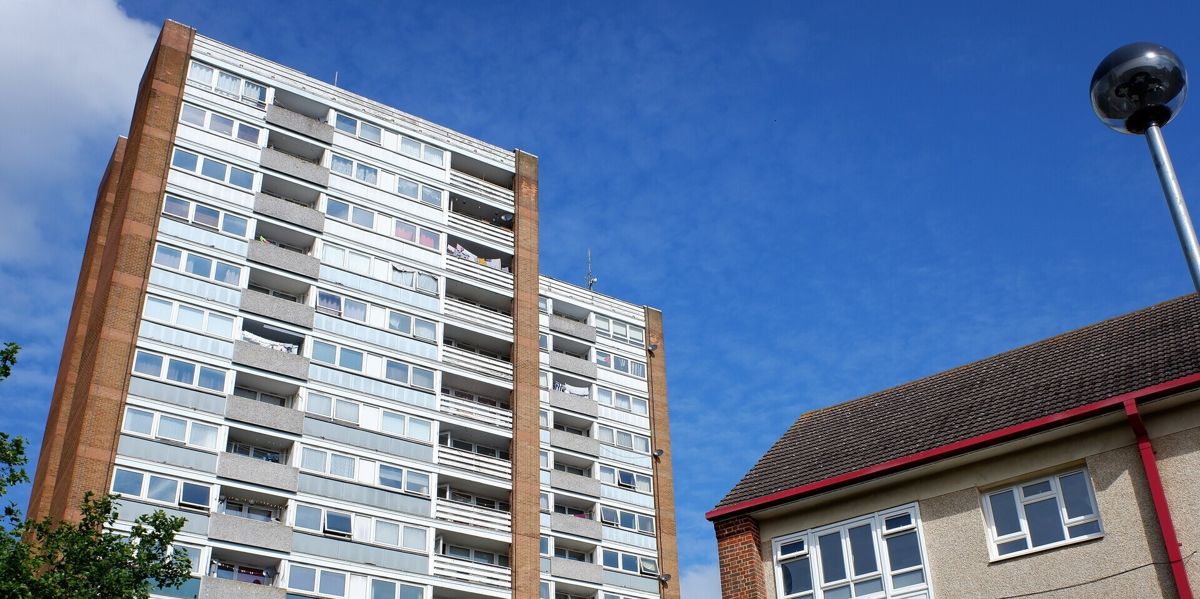
Social housing disrepair refers to situations where a rented home is not in a suitable condition for people to live in safely and comfortably. This could be due to structural problems, faulty heating, leaks, damp or mould that keeps coming back. In legal and housing terms, disrepair means the property is not meeting acceptable standards, and the landlord has not carried out necessary repairs.
Social landlords in the UK must ensure their properties are safe, healthy and free from things that could cause serious harm, as set out under the Homes (Fitness for Human Habitation) Act 2018. This applies to all rented homes, including those owned by social landlords.
Homes (Fitness for Human Habitation) Act 2018
Why Disrepair Is a Serious Issue
When a home falls into disrepair, it can affect every part of daily life. Here are some of the most common impacts:
Health and wellbeing
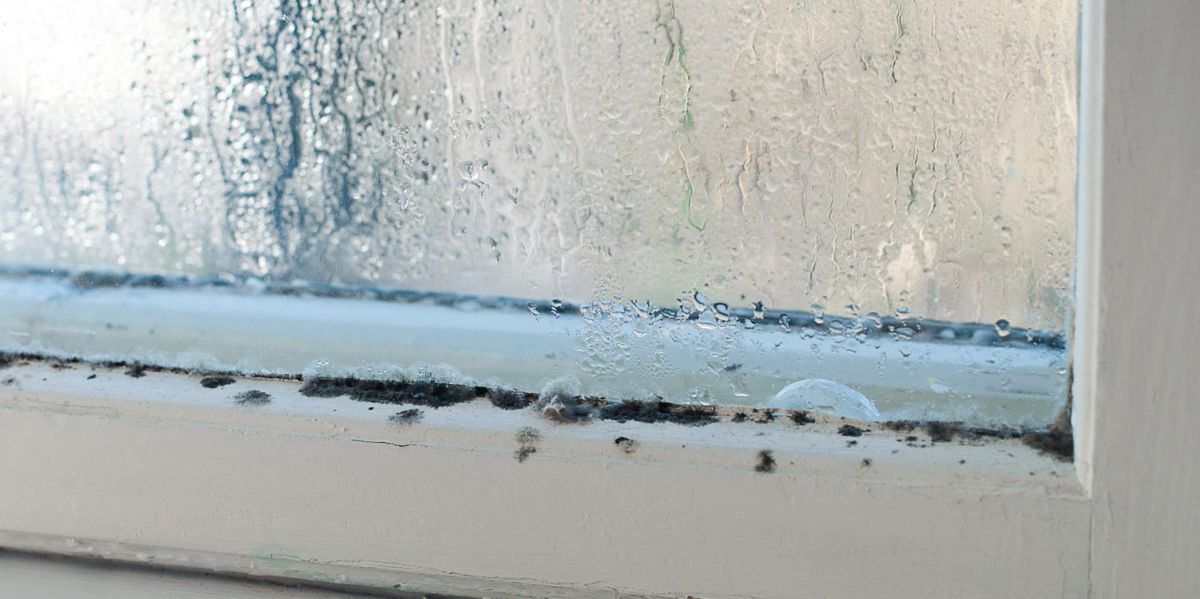
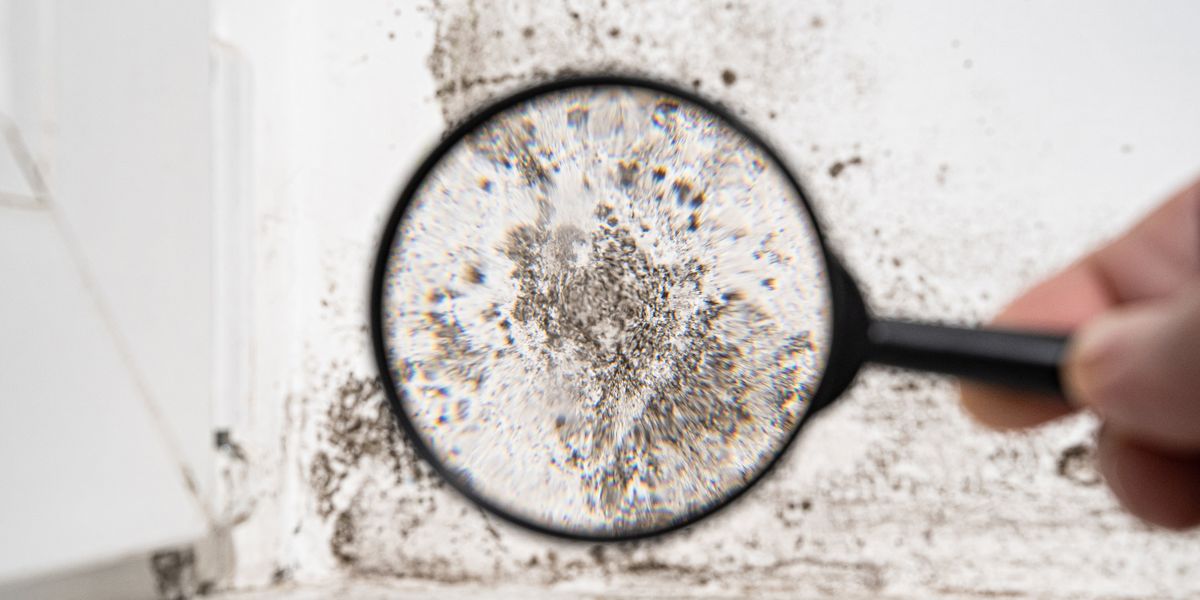
Dampness and mould are not just unsightly. They can cause or worsen respiratory problems such as asthma and allergies, especially in children, older people or those with pre-existing health conditions. Persistent damp also contributes to unpleasant smells and a generally unhealthy environment.
Comfort and energy costs
Homes with poor insulation, leaking roofs or broken heating systems are often colder and harder to heat. This leads to higher energy bills and an uncomfortable living environment.
Tenant stress and uncertainty
Repeated problems with mould, leaks or peeling plaster can make homes feel unstable and undermines confidence that issues will ever be properly fixed.
Legal consequences
Social landlords have a duty to address issues of disrepair in a timely way. If they fail to investigate and fix serious problems, tenants have the right to complain to the housing ombudsman, and in some cases seek formal redress* or compensation.
*Formal redress refers to the official process, remedy, or compensation provided to correct a wrong, injustice or injury.
What Causes Disrepair in Social Housing?
Disrepair can happen for a number of reasons. Some causes are straightforward, such as:
Damp or mould caused by a roof leak
Broken or inefficient ventilation systems
Faulty plumbing or heating systems
Poor insulation or structural defects that let water in
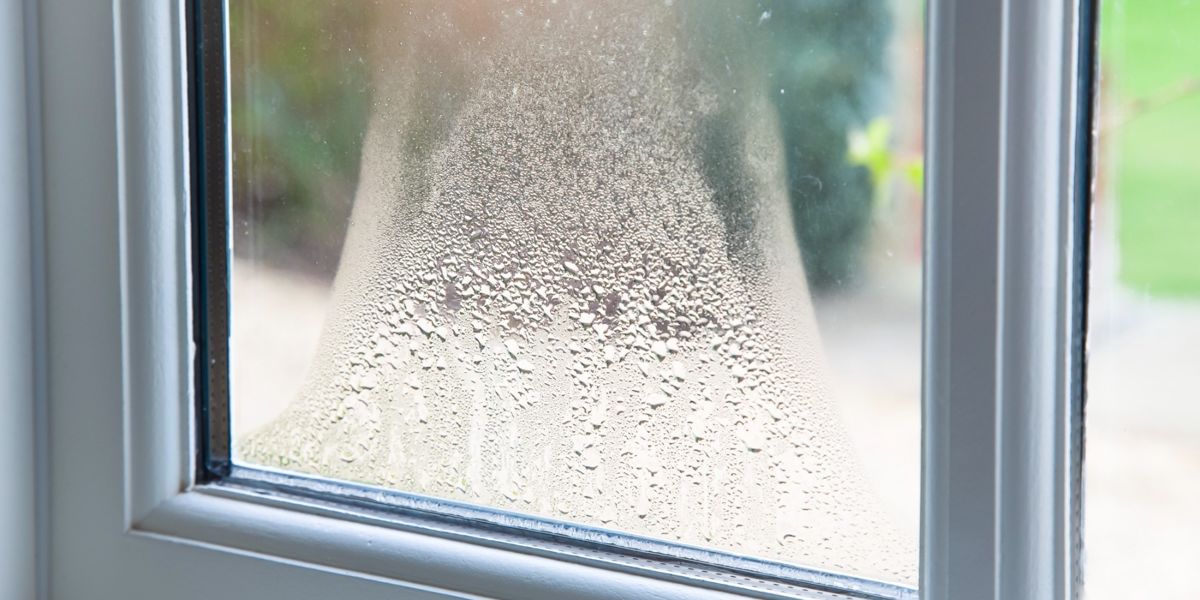
Other causes can be more hidden, such as inadequate ventilation that leads to condensation problems, or insulation that was poorly installed. Often, more than one factor contributes to a recurring issue.
Whatever the case, the key point is this: persistent mould and damp are usually symptoms of an underlying problem, not something that can be overlooked or dismissed.
Responsibilities of Tenants and Landlords
In social housing, both tenants and landlords have roles to play when dealing with disrepair. Knowing who is responsible for what can help make sure issues are dealt with fairly and effectively.
Tenant responsibilities
Tenants are expected to behave in a “tenant-like manner”, which broadly means:
Reporting issues as soon as they appear
Using heating and ventilation appropriately
Allowing access to surveyors and repair workers when necessary
It is important to report problems early and keep a record of communication, particularly if something keeps recurring or getting worse.
Landlord responsibilities
Social landlords, such as councils and housing associations, have a legal duty to maintain the property and fix issues that affect habitability. This includes:
Repairs that deal with leaks, structural issues and mould caused by property defects
Investigating the real cause of persistent damp and mould
Carrying out follow-up works to stop issues returning
They cannot dismiss issues by simply advising tenants to open windows or put on more heating if the problem clearly relates to the property itself. The landlord must investigate and rectify underlying faults.
New guidance under evolving regulations such as Awaab’s Law also means landlords must take faster action on damp and mould that pose a real health hazard.
Why Surveys and Expert Assessments Matter
Many cases of persistent damp and mould are not just about visible mould patches or condensation on windows. The root cause often lies deeper, such as poor ventilation systems, insulation issues, faulty heating or water ingress through building defects.
That is why a professional survey is a vital first step. A good survey will:
Assess ventilation, heating, and insulation
Look at tenant lifestyle patterns that influence moisture buildup
Distinguish between surface mould and deeper structural issues
Provide clear, unbiased findings and recommended solutions
At Domestic‑Air, we offer free mould and condensation surveys to repair and disrepair teams working with social landlords. Our goal is to uncover the real causes of recurring issues so that solutions are effective and lasting, not just temporary patches.
Ready to Resolve Disrepair Issues in Your Properties?
Dealing with social housing disrepair is not just about ticking boxes. It’s about creating homes that are safe, comfortable and healthy for the people who live in them. That requires expertise in ventilation, condensation control, mould remediation and more.
We help housing repair teams with:
In-depth surveys that go beyond the surface
Recommendations that address the real causes
Specialist mould treatment and prevention strategies
Cost-effective solutions that help housing teams manage budgets and liabilities
Our work helps councils and housing associations meet their legal obligations, avoid costly repeat repairs, and most importantly protect tenant wellbeing.
If you are dealing with persistent damp, mould or other disrepair issues in social housing, don’t just treat the symptoms. Let’s get to the root cause.
Book your free mould and condensation survey today with Domestic-Air. We will help you understand the problem and provide expert, practical solutions so you can maintain safe, healthy homes and put an end to recurring issues.
Disclaimer:
The information provided in this article is for general guidance and educational purposes only. While we strive to provide accurate advice, every property is unique. Domestic-Air recommends a professional onsite survey before undertaking significant ventilation changes or mould remediation. We cannot be held responsible for actions taken based solely on the content of this guide.
Share this post: